


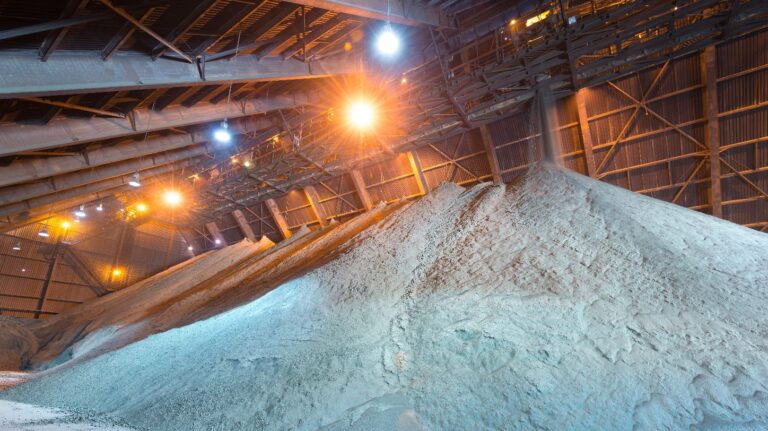
A new analysis by the International Energy Agency (IEA) considers warehousing needs for storing 30 different strategic minerals critical for AI, advanced technology, aerospace and defence.
To identify which materials should be prioritised for stockpiling, the IEA developed the ‘Critical Minerals Stockpiling Assessment Framework’ to analyse risks and challenges for each material.
It evaluates supply risk, the availability of alternative supply routes, strategic importance and the feasibility of stockpiling.
The assessment comes amid growing risk to critical minerals supply, including new export requirements, and as “many countries are showing growing interest in stockpiling critical minerals,” IEA said.
In commentary, the agency notes that the feasibility of stockpiling varies, as each mineral takes different forms along its supply chain.
The properties of materials imported by IEA member countries face several warehousing challenges, including hygroscopicity (sensitivity to humidity), reactivity, hazardousness and fragility.
UK-Canada critical minerals research set to strengthen and secure supply chains
For example, lithium hydroxide – is used in lithium-ion batteries – is highly sensitive to humidity and degrades quickly in air, reducing its shelf life to around six months. Gallium, a key material for semiconductors, poses a differnt challenge with its melting point of around 30°C.
Cost of addressing minerals’ warehousing needs
The IEA said that these challenges “can be overcome through controlling temperature and humidity of warehouses, using advanced packaging and rotating stocks of materials with short shelf life”. However, such measures increase the cost and complexity of stockpiling.
According to the analysis, financing, warehousing, and discount costs account for the largest share of total stockpiling operating costs.
Warehousing costs are particulary significant for larger volume, lower-value materials such as synthetic graphite and nickel sulphate, according to the IEA database.
The agency noted that “stricter warehousing requirements can triple warehousing costs per tonne compared with standard metals.” However, financing costs remain dominant for many materials, even those with the strictest storage requirements such as lithium hydroxide and rare earth permanent magnets.