


The debate around higher business rates for warehouses is about more than tax.
It goes to the heart of how cities are supplied, how high streets are supported and how the cost of moving goods through urban environments is shared.
Warehouses, fulfilment centres, parcel networks, consolidation hubs and final-mile operators are not separate from the high street. They are part of the infrastructure that keeps retail, hospitality, healthcare, construction, public services and local economies functioning.
That is why business rates, logistics land, urban fulfilment, consolidation, kerbside access and city logistics policy will be central themes at Urban Logistics, taking place at Excel London on 9-10 June 2027.
The event will bring together retailers, logistics operators, property owners, public-sector stakeholders and infrastructure partners to examine how goods move through cities – and how policy, property and logistics can work together to support cleaner, more efficient and more resilient urban supply chains.
Contact urbanlogistics@akabomedia.co.uk for more information.
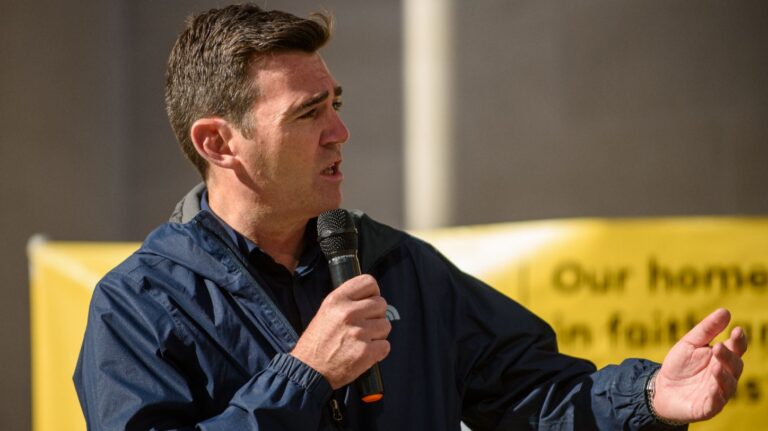
The Labour Party’s potential next leader, Andy Burnham, has suggested that warehouses and major out-of-town developments should pay higher business rates to fund tax cuts for pubs and high-street businesses.
Speaking to LBC’s Tonight with Andrew Marr, the Makerfield MP and former Greater Manchester mayor said there was “a case for higher business rates on warehouses and the major developments we see on the outskirts of our cities”.
Burnham said the move could help fund lower business rates for pubs, including a proposed 20% cut, and allow some high-street businesses to be removed from business rates altogether.
The comments will be closely watched by the logistics property, warehousing and online retail sectors, which have already faced increased scrutiny within wider business rates reform.
Burnham said: “I think it’s important to prioritise and reward the businesses that bring social benefit and the businesses that bring people together – the bars, the restaurants, the coffee shops, the hairdressers – because the high street really needs to get more of our attention.”
No detailed policy document has yet been published setting out how the proposal would work, which types of warehouse or logistics facility would be affected, or whether the change would involve a further increase beyond existing business rates reforms already in place.
From April 2026, the government introduced new lower business rates multipliers for qualifying retail, hospitality and leisure properties in England with rateable values below £500,000.
Those reforms are being funded, in part, through a higher multiplier for properties with rateable values of £500,000 and above. Government guidance previously said this group represents less than 1% of all properties but includes many large distribution warehouses, including those used by online retail businesses.
According to HM Treasury, large distribution warehouses such as those used by online giants are expected to pay around £100m more in business rates in 2026/27, with that revenue used to support lower bills for in-person retail.
Burnham’s latest intervention appears to indicate support for going further in shifting part of the business rates burden away from high-street operators and toward larger warehouse-based businesses and edge-of-city commercial developments.
The proposal is likely to prompt concern among logistics operators, retailers, developers and occupiers of large-scale warehouse space, particularly at a time when the sector is already dealing with higher labour, energy, property and compliance costs.
Business groups have called for greater clarity on Burnham’s wider economic plans. Responding to his recent economic speech, CBI chief executive Rain Newton-Smith said firms would welcome a focus on growth, delivery and fiscal discipline, but warned that businesses would need “a clear delivery plan – particularly on business rates”.