

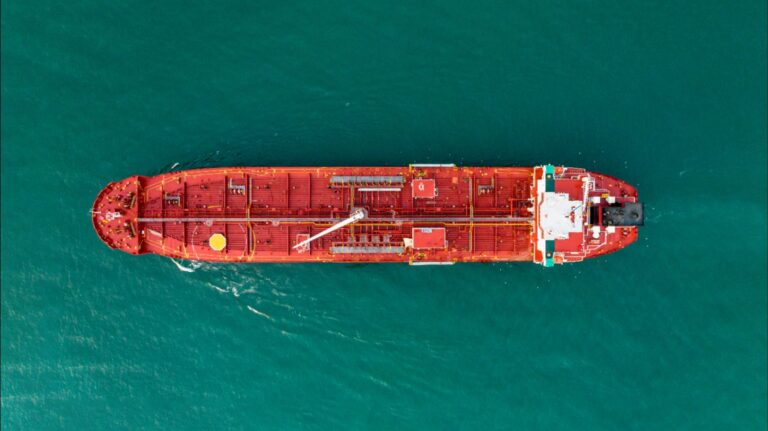
Shipping and insurance costs for crude oil and petroleum products have reached unprecedented levels, exceeding one-third of the value of the commodities being transported, according to OPEC+ ministers.
Ministers from OPEC and non-OPEC countries participating in the Declaration of Cooperation met in Riyadh on 12 October 2026, warning that disruption to international maritime routes was delaying shipments and adding to global inflationary pressures.
In a joint statement, the ministers said elevated costs were being passed through the oil supply chain, increasing the financial burden on producing and consuming countries and affecting global economic growth.
They stressed the importance of safeguarding international maritime routes to maintain the uninterrupted flow of energy supplies.
The warning comes amid renewed attacks on commercial shipping and energy infrastructure in the Middle East, particularly around the Strait of Hormuz, a major route for global oil shipments.
In its October Oil Market Report, published on 14 October, the International Energy Agency (IEA) said the escalation in attacks on tankers and regional energy infrastructure threatened to derail a recovery in Middle East oil exports.
According to the IEA, crude oil exports from Gulf producers reached 13.9 million barrels per day (mb/d) in September, an increase of 4.4mb/d and more than 75% of pre-war levels. Oil flows through the Strait of Hormuz also increased, supported by ship-to-ship transfers in the Gulf of Oman.
However, the IEA warned that record tanker freight rates had raised crude oil delivery costs and eroded refinery margins.
The agency also noted that continuing disruption to refined petroleum product shipments from the Middle East, which reached 1.9 mb/d in September, compared with pre-war levels of 4.7 mb/d.
IEA said that disruptions to Middle East exports, compounded by lower supply from Russia and some Asian countries, cut global diesel/gasoil availability by 1.7 mb/d in the third quarter of 2026, compared with a year earlier, putting diesel markets under extreme pressure.
Despite lower demand, IEA said oil market balances are forecast to remain in deficit through the end of the year, with constrained middle distillate supplies likely to persist well into 2027.
The October 2026 issue of Logistics Manager is out now, covering urban warehouses, port automation, scanning & labelling, supply chain visibility and much more