



Sustainable packaging design goes part and parcel with efficiency, with optimal solutions reducing environmental impact as well as boosting the bottom line.
Sustainability is fundamental to efficient packaging. The whole point of any packaging is to maintain the integrity of the item being stored or carried within it, and failing this key aim means damaged products – the antithesis of sustainability. On the other hand, using excess material is the bête noire of any packaging operation, and avoiding waste is vital. But optimising packaging is more complex than simply weighing up how much void-fill to use. Businesses using packaging must consider its environmental and cost impact throughout their supply chain and beyond.
“Once treated as a protective afterthought, packaging now affects transport efficiency, emissions reporting, compliance costs and even customer perception,” says Suzy Gedney, UK marketing manager at Smurfit Westrock.
Well-designed packaging must be protective, but also economical and ergonomic in the warehouse, in transit and for end-users. Gedney explains that good packaging design focuses on flow. “It ensures products move more efficiently, stack better, and arrive intact. Right sized, lightweight and easy-to-handle formats reduce wasted space, improve pallet density and cut transport emissions. Flat-packed, fast-assembly, multi-SKU designs streamline warehouses and accelerate fulfilment.”
Right sized packaging
Right sizing typically means cutting boxes to fit individual orders. Reducing excess cardboard is the obvious result, but the real value lies in reducing empty space within boxes.
“According to research published online, 48% of e-commerce brands adjusted packaging sizes in 2024 to cut dimensional weight shipping costs, and those implementing right sizing reported an up to 30% reduction in packaging expenses,” discloses Tristan Holiday, senior manager at consultancy Bearing Point. “Minimising empty space reduces damage rates, speeds picking and packing, and lowers carbon emissions,” he adds.
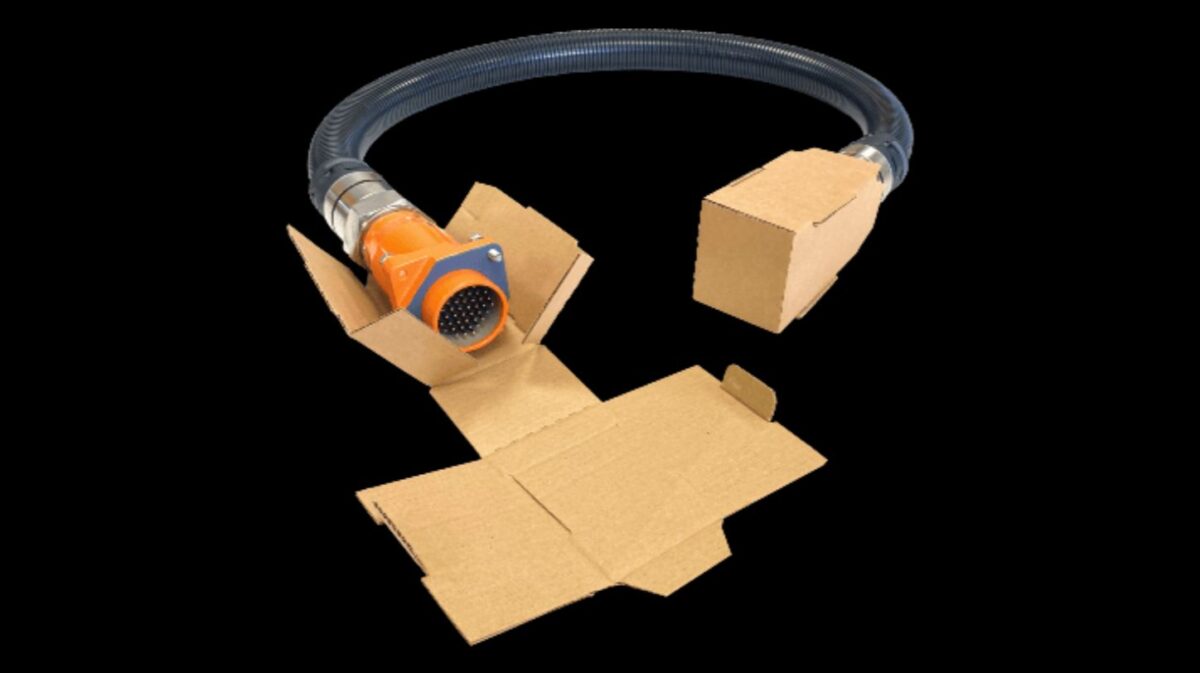
Something of an expert of right sizing, Chris More, UK sales director at Packsize, is happy to discuss the potential.
“High-speed, boxing technology that can make individual ‘right sized’ packages precisely to the dimension of each order, whether it be single or multiple items, is transforming e-commerce fulfilment.
“The benefits go far beyond reduced labour costs, lower material costs, warehouse space savings, box inventory reduction and simplification… to sustainability benefits, happier customers, and more efficient vehicle volume usage, along with lower carbon emissions.”
More describes that right size machines that can produce up to 1100 boxes per hour with just one or two operators. “So, with a broad range of solutions available for high- or low-capacity options the technology is accessible to both small and large companies.”
However, Holiday cautions that the cost of some of this technology could be prohibitive for smaller businesses. “Right sizing packaging has become a standard practice for many major retailers with significant levels of capital being invested to implement machines that can deliver the perfect outbound parcel. These machines, however, come at a premium versus standard packaging machines, so the ‘Voice Of The Customer’ and/or the associated financial benefits must be a strong driver for businesses to pay big premiums for bespoke shipping parcels”
Ethical and sustainable packaging
The customer’s voice – and their cash – should not be underestimated when factoring the cost of a design upgrade. “Research shows that most shoppers prefer products with sustainable packaging, and many are even willing to pay a little more for it. At the same time, people are quick to turn away from brands they feel aren’t doing the right thing environmentally,” points out Holiday.
Packaging is now far more than just a packet; it’s the physical expression of brand identity. “Packaging has become one of the most visible expressions of a brand’s values. It is often the first thing customers see, and the first thing they judge,” cautions Gedney.
She reckons this matters in B2B just as much as B2C. “Over-packaged, plastic-heavy solutions send the wrong signal. Clear, recyclable and well-designed packaging reinforces professionalism, responsibility and trust. “Green claims aren’t enough. Without proof, they erode trust. Brands that back sustainability with clear data and credible certification are the ones customers believe.”
Bringing together the people responsible for delivery, assurance and governance of supply chain sustainability. Register here

Without veering too far into world politics, it is only reasonable to note that climate change scepticism has seen something of a resurgence in recent years, but the consensus is that customers and investors alike are firmly in favour of sustainable options – not least because it so often links inextricably with efficiency.
Richard Garratt, head of design at Macfarlane Packaging, warns that new Extended Producer Responsibility regulations put more than customer perception at stake.
“Packaging that is harder to recycle will attract higher costs, making “designed for recycling” a matter of commercial control rather than a sustainability consideration alone. For businesses shipping into the EU, forthcoming Packaging and Packaging Waste Regulation (PPWR) requirements around packaging minimisation, recyclability and empty space limits further reinforce the need for efficient, right-sized designs.
“Poor design now carries direct cost consequences, while well-designed solutions can reduce long-term financial exposure… Ethical material choices are increasingly the baseline standard in UK packaging, driven by regulatory requirements alongside brand and customer expectations,” states Garratt.
Gedney agrees that the goal posts have changed. “Ethical materials have moved from a marketing win to a minimum requirement. FSC-certified paper and board, responsibly sourced fibres, and fully recyclable formats are now table stakes, pushed by customers and policed by regulation. EPR has turned material choice into a cost issue.
Choosing the right packaging material
“Hard-to-recycle packaging is expensive and risky. Recyclable materials that move smoothly through existing systems cut fees, ease reporting, and lower long-term exposure. For logistics teams, sustainability has moved firmly into the commercial conversation, with ethical materials directly influencing costs,” reports Gedney.
Unfortunately, consumer notions of sustainability can sometimes lag behind the reality. Unbleached recycled-looking paper has an air of worthiness about it and has grown immensely popular, but it is not always the best economic or environmental option.
Approximately 40% of the plastics used in the European Union are in packaging (Source: European Commission)
Garratt shares how selecting the “best” material for any packaging is nuanced. “Paper and board have become the default material in sustainability conversations, reinforced by the rise of ‘beige’ packaging… Plastic is often treated as a single category, which can oversimplify sustainability discussions. In practice, many plastic formats are lightweight, highly protective and effective at reducing transport emissions and product damage – particularly in industrial and long-distance distribution.
“While fibre often performs well in household recycling systems, it can be heavier than plastic depending on the application, increasing transport impacts and potential EPR cost exposure. Some paper-based solutions also rely on coatings or laminates that reduce practical recyclability and affect RAM ratings.
“Ultimately, material choice must be assessed on a case-by-case basis, ensuring the right level of protection is delivered with the lowest overall environmental and operational impact,” explains Garratt.
How sustainability is shaping packaging strategy
Rather happily, end-users are not actually making packaging decisions, and Gedney recounts that a wider view of sustainability is shaping concrete strategy. “Increasingly, the focus is on renewable sourcing, recyclability and circular systems.
“Poorly designed packaging, regardless of material, increases damage, transport inefficiency and waste. Well-designed packaging uses only what is necessary, protects the product, and is easy to collect and reprocess at end of life. The real differentiator is therefore design,” concludes Gedney.
Taking a holistic approach and analysing packaging requirements on a case-by-case basis may seem arduous in comparison to the easy alternative of basic boxes and bubble-wrap. But the new regulations will force a fresh focus on materials, and businesses that choose to optimise their packaging designs stand to gain a plethora of benefits, from improved functionality and flows along with reduced costs and carbon emissions. When it comes to packaging design, sustainability and efficiency come as a package deal.
This article originally appeared in the April 2026 issue of Logistics Manager magazine. Read it here